Recovery is just as important as training. While rest days are essential, staying lightly active can actually speed up recovery, reduce soreness, and keep your body primed for performance. Active recovery involves low-intensity movements that promote circulation, loosen tight muscles, and prevent overtraining.
Why Active Recovery Matters
- Prevents burnout by balancing training intensity with restorative movement.
- Boosts circulation to deliver oxygen and nutrients to tired muscles.
- Reduces soreness (DOMS) after heavy lifting or intense cardio.
- Improves mobility by keeping joints and muscles flexible.
- Supports mental health by lowering stress and keeping you engaged without pressure.
Active recovery is the sweet spot between rest and training—it keeps you moving without pushing your body past its limits.
Active Recovery Moves to Try
1. Walking or Light Jogging
A simple way to increase blood flow and loosen stiff muscles. Perfect for recovery days after heavy lifting or HIIT.
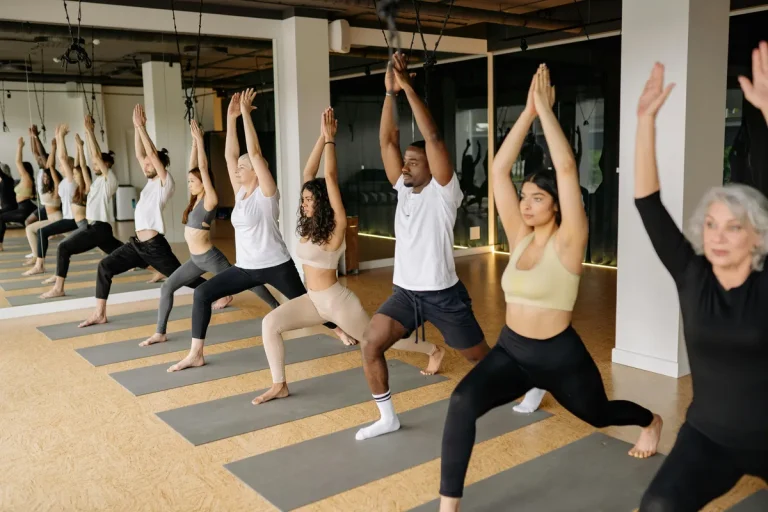
2. Gentle Yoga Flow
Poses like Child’s Pose, Cat-Cow, and Downward Dog stretch tight areas and restore mobility. Yoga also calms the nervous system, reducing stress.
3. Foam Rolling & Mobility Drills
Self-myofascial release with a foam roller helps break up muscle knots and improve flexibility. Pair with hip circles or shoulder rolls for mobility.
By signing up, you agree to receive emails from RealFit Wellness. You can unsubscribe anytime. See our Privacy Policy.
Your Weekly Wellness Boost
4. Swimming or Aqua Jogging
Low-impact cardio that reduces joint stress while keeping your heart rate up. The buoyancy of water makes it ideal for sore muscles.
5. Cycling at Low Intensity
A gentle spin session improves circulation in the legs without adding strain. Keep resistance light and focus on smooth pedaling.
6. Dynamic Stretching
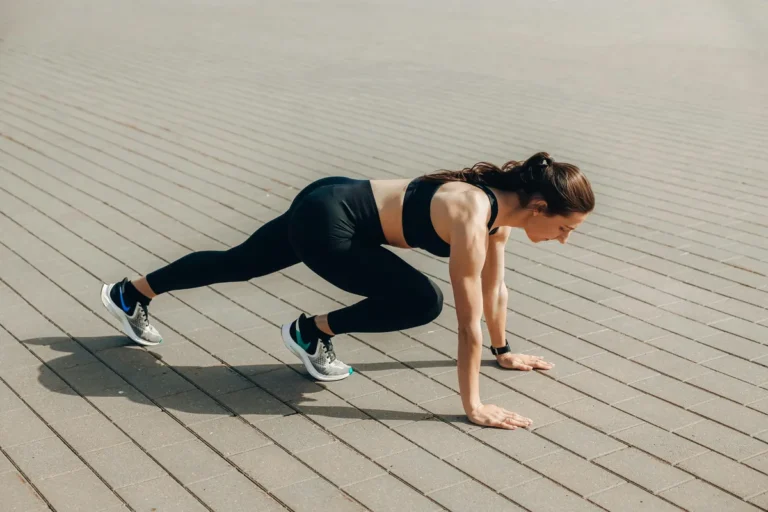
Leg swings, arm circles, and torso twists keep muscles warm and mobile. Great for recovery days when you still want to move.
7. Breathwork & Core Activation
Controlled breathing paired with light core exercises (like dead bugs or bird-dogs) helps reset posture and stabilize the spine.
Tips for Safe Active Recovery
- Keep intensity at 30–50% of your max effort.
- Focus on movement quality, not quantity.
- Pair recovery moves with hydration and proper nutrition.
- Listen to your body—if soreness feels extreme, opt for gentler options like walking or stretching.
- Schedule at least 1–2 active recovery days per week to balance training.
Benefits You’ll Notice
- Reduced soreness and stiffness after workouts.
- Improved flexibility and mobility.
- Faster recovery between training sessions.
- Lower risk of injury from overtraining.
- Better mental clarity and reduced stress.