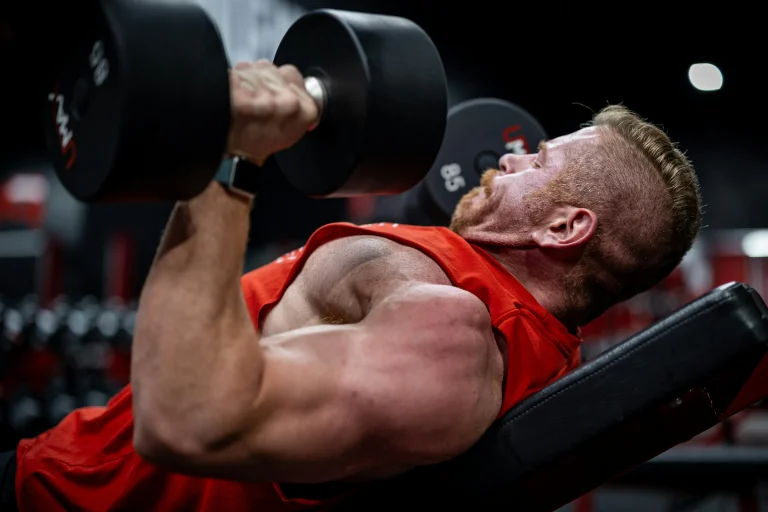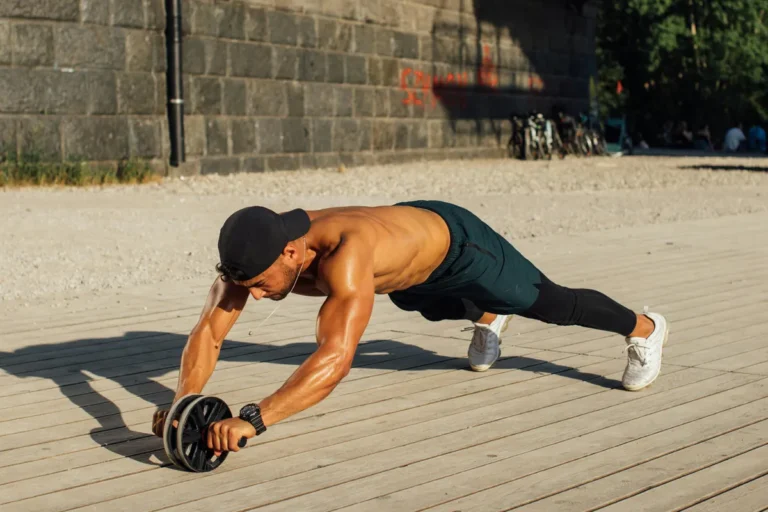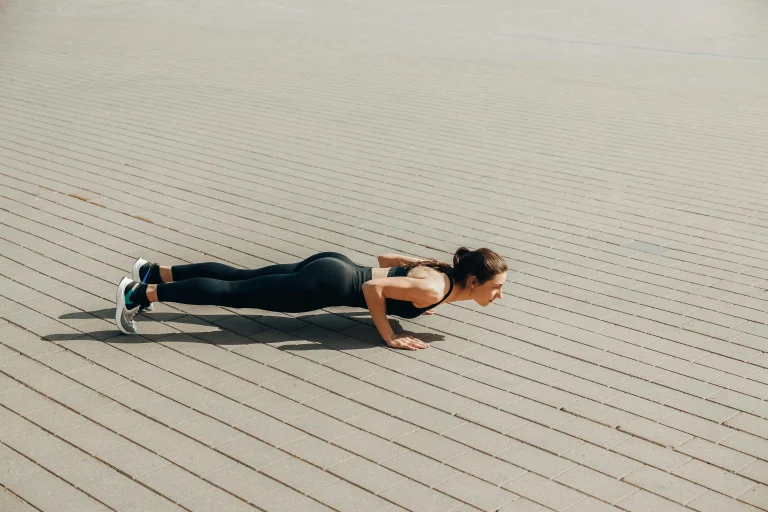
Recovery is the hidden key to progress. After intense workouts, your muscles experience micro-tears and inflammation. Cold therapy—whether through ice baths, cold showers, or localized ice packs—helps reduce soreness, calm inflammation, and accelerate healing so you can train harder, more consistently. It’s not just for elite athletes; anyone who pushes their body can benefit from this simple, science-backed recovery tool.
Why Cold Therapy Works
When you expose your body to cold, blood vessels constrict, slowing down circulation temporarily. This reduces swelling and inflammation in the muscles. Once you warm back up, blood flow increases again, delivering oxygen and nutrients that aid repair. This cycle helps:
- Decrease inflammation in overworked muscles, especially after heavy lifting or endurance training
- Reduce delayed onset muscle soreness (DOMS) so you can move more freely the next day
- Boost circulation once tissues rewarm, aiding nutrient delivery and speeding recovery
- Support mental resilience by training your body to adapt to stress, building discipline and toughness
Cold therapy is essentially a reset button for your muscles and nervous system, helping you recover faster and prepare for your next workout.
Cold Therapy Methods
1. Ice Baths
Submerge in cold water (10–15°C) for 5–10 minutes post-workout. Ice baths are especially effective after long runs, heavy lifting, or high-intensity sessions. They provide whole-body recovery, flushing out metabolic waste and reducing soreness.
2. Cold Showers
A practical option at home. Alternate hot and cold water for 3–5 minutes to stimulate circulation and reduce soreness. Cold showers are less intense than ice baths but still effective for everyday recovery.
By signing up, you agree to receive emails from RealFit Wellness. You can unsubscribe anytime. See our Privacy Policy.
Your Weekly Wellness Boost
3. Localized Ice Packs
Apply directly to sore or swollen areas for 10–15 minutes. This method is ideal for targeted recovery—think sore knees after squats or tight shoulders after pressing. Always use a cloth barrier to protect your skin.
4. Cryotherapy Chambers
A professional option where you’re exposed to extremely cold air (around –110°C) for 2–3 minutes. Popular among athletes, cryotherapy offers rapid recovery and can be combined with other recovery methods for maximum benefit.
Tips for Safe Cold Therapy
- Limit exposure to 5–15 minutes depending on the method. Longer isn’t always better.
- Avoid direct ice contact on skin—always use a towel or cloth barrier.
- Combine cold therapy with stretching, hydration, and proper nutrition for best results.
- Listen to your body—if discomfort feels extreme or unsafe, stop immediately.
- Use cold therapy as part of a balanced recovery plan, not a replacement for rest.
Benefits You’ll Notice
- Reduced soreness after heavy training sessions
- Faster recovery between workouts, allowing more consistent progress
- Improved circulation and flexibility once tissues rewarm
- Mental toughness from controlled cold exposure, building resilience beyond the gym