Recovery is just as important as the workout itself. Foam rolling is a simple, effective way to ease sore muscles, improve flexibility, and prevent injuries. By applying gentle pressure to tight areas, you help break up adhesions in the fascia (the connective tissue around muscles) and encourage blood flow for faster healing.
Why Foam Rolling Matters
- Reduces muscle soreness after intense training
- Improves circulation to speed up recovery
- Enhances flexibility and range of motion
- Supports injury prevention by keeping tissues healthy
Foam Rolling Techniques
1. Quads Roll
Lie face down, place the roller under your thighs, and roll from hips to knees. Pause on tender spots for 20–30 seconds.
2. Hamstring Roll
Sit with the roller under your thighs, hands behind you for support. Roll from glutes to knees, focusing on tight areas.
3. Calf Roll
Place roller under calves, lift hips slightly, and roll from ankles to knees. Cross one leg over the other for added pressure.
4. Glute Roll
Sit on the roller, cross one ankle over the opposite knee, and lean into the glute of the crossed leg. Roll slowly.
By signing up, you agree to receive emails from RealFit Wellness. You can unsubscribe anytime. See our Privacy Policy.
Your Weekly Wellness Boost
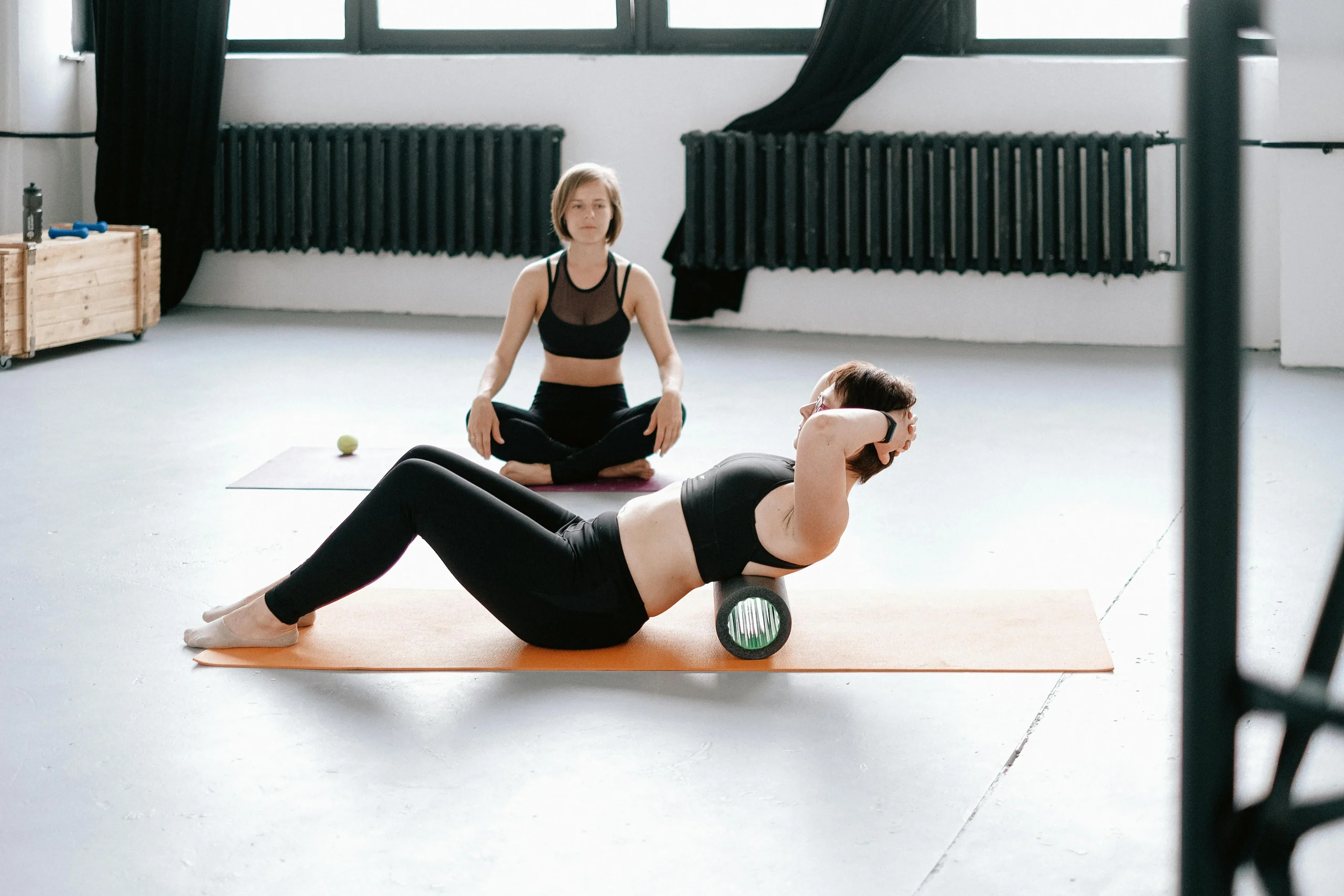
5. Upper Back Roll
Lie with roller under shoulder blades, hands behind head. Roll from mid-back to upper shoulders, avoiding the lower back.
6. IT Band Roll
Lie on your side with roller under outer thigh. Roll from hip to knee, pausing on tight spots. This one can feel intense—go slow.
Tips for Effective Foam Rolling
- Roll slowly—don’t rush through movements.
- Spend 1–2 minutes per muscle group.
- Breathe deeply to help muscles relax.
- Use foam rolling as part of your cool-down routine or on rest days.
Benefits You’ll Notice
- Less soreness after workouts
- Improved flexibility and mobility
- Faster recovery between training sessions
- Reduced risk of common overuse injuries